
Business
Interest rates could go ‘significantly higher’ if oil prices keep climbing — even if the Iran war ends soon
By Marcus Chen
Advertisement · Why this ad?
Katherine oversees editorial operations across all six brands. Before joining The Meridan Group, she spent 14 years at the Minneapolis Star Tribune, where she led the metro desk through its digital transformation. She holds a Master's in Journalism from Northwestern's Medill School.
More from Katherine →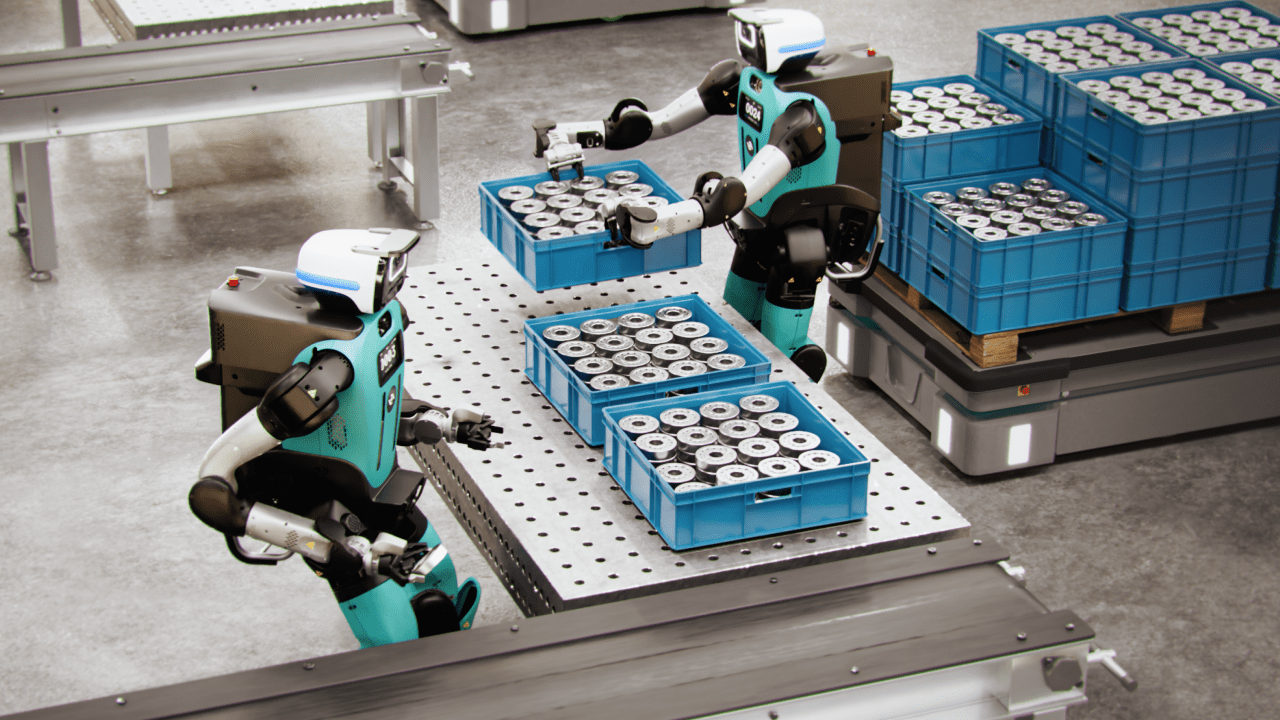
On a bustling morning in New York City, the financial district buzzed with anticipation as Agility Robotics, a pioneering firm in the field of robotic innovation, prepared to make its debut on the stock market. The excitement is palpable among investors and tech enthusiasts alike, but beneath the surface, concerns loom regarding the company's financial health. Agility's entry into the public sphere is marked by a significant SPAC merger, a move that has become increasingly popular among tech startups seeking rapid growth and visibility.
Agility Robotics officially began trading today following a merger with a special purpose acquisition company (SPAC). This strategic move is touted by executives as a way to secure a “first-mover advantage” in the rapidly evolving robotics market. However, the company’s history of steep losses has raised eyebrows among analysts and investors alike. In recent years, Agility has reported losses that have raised red flags about its long-term viability, leading some to question whether this public offering is a sound investment.
The SPAC merger, while providing immediate capital and visibility, is also a double-edged sword. It allows Agility to bypass some of the traditional hurdles associated with initial public offerings (IPOs), but it also subjects the company to heightened scrutiny from investors eager to see a return on their investment. The financial community is now watching closely to see if Agility can turn its vision into profit in a competitive landscape.
The rise of SPACs has transformed the way many companies approach going public. Special purpose acquisition companies are essentially shell corporations that raise funds through an IPO with the intention of acquiring an existing company. This method has gained popularity due to its speed and efficiency, allowing companies like Agility to access public markets more quickly than through traditional routes.
However, the rapid influx of SPACs has led to increased scrutiny from regulators and investors. Many SPAC mergers have faced backlash due to the lack of transparency surrounding the financial health of the companies involved. As Agility enters this arena, it must navigate these challenges while also addressing its own financial concerns. The company’s ability to demonstrate a clear path to profitability will be critical in winning over skeptical investors.
Agility Robotics has reported significant losses in recent years, which has raised questions about its long-term sustainability. The company’s financial statements reveal a trend of increasing expenditures, primarily attributed to research and development costs associated with its cutting-edge robotics technology. While innovation is crucial in the tech industry, it must be balanced with a clear strategy for generating revenue.
In a recent statement, Agility's executives acknowledged the challenges ahead, emphasizing their commitment to achieving profitability. “We understand that our financial performance has raised concerns, but we believe that our technology will ultimately set us apart in the marketplace,” said one executive. This sentiment, while optimistic, must be backed by concrete results if the company wishes to maintain investor confidence.
The reaction to Agility's public offering has been mixed within the tech community. Some industry insiders view the SPAC merger as a necessary step for the company to gain the resources needed to innovate further. “Agility has the potential to revolutionize the robotics industry,” said a local tech entrepreneur. “However, they need to prove that they can manage their finances effectively.”
On the other hand, some investors express skepticism about the viability of companies that rely heavily on SPAC mergers. The concern is that the rush to go public can lead to inflated valuations and unrealistic expectations. “I’m cautious about investing in companies that haven’t demonstrated consistent profitability,” shared a seasoned investor. This sentiment highlights the broader apprehension surrounding the SPAC phenomenon and its implications for the future of tech startups.
As Agility Robotics embarks on its journey as a publicly traded company, the path ahead is fraught with challenges. The company must not only address its financial shortcomings but also capitalize on its technological advancements to carve out a niche in the competitive robotics market. The coming months will be crucial for Agility as it works to build investor confidence and demonstrate a clear strategy for profitability.
Investors will be closely monitoring Agility's quarterly reports and any developments regarding its product offerings. The company's success will depend on its ability to innovate while managing costs effectively. If Agility can strike this balance, it may well fulfill its promise of becoming a leader in the robotics industry.
The implications of Agility Robotics going public extend beyond just the company itself; they resonate throughout the local tech ecosystem in New York City and beyond. The robotics sector is increasingly seen as a pivotal area for economic growth, and Agility's success or failure could set a precedent for other startups in the field. Local universities and research institutions, such as NYU Tandon School of Engineering, have been at the forefront of robotics research, providing a talent pipeline that Agility could tap into as it scales its operations.
Moreover, the company's technology has the potential to impact various industries, from manufacturing to healthcare. For instance, their robots could assist in logistics, improving efficiency in warehouses, or even support elderly care by providing companionship and assistance. The broader community is watching to see how Agility can leverage its innovations to create jobs and contribute to local economic development.
As Agility Robotics moves forward, it will need to focus on several key areas to ensure its long-term success. First and foremost, the company must prioritize product development that not only showcases its technological capabilities but also meets market demands. This means engaging with potential clients and understanding their needs, which could lead to tailored solutions that enhance Agility's market position.
Additionally, strategic partnerships could play a crucial role in Agility's growth. Collaborating with established companies in sectors that could benefit from robotics technology may provide Agility with the necessary resources and market access to thrive. Such partnerships could also help mitigate some of the financial risks associated with scaling operations.
In conclusion, while the excitement surrounding Agility Robotics' public debut is undeniable, it is imperative for both investors and the company itself to approach this new chapter with a measured perspective. The challenges of navigating the SPAC landscape, coupled with the need for financial stability, will determine whether Agility can realize its vision of transforming the robotics market.
By Marcus Chen

By Katherine Langford

By Katherine Langford

By Marcus Chen