
Technology
Lyft Launches New $9.99-a-Month Lyft Go Subscription With DashPass
By Marcus Chen
Advertisement · Why this ad?
Katherine oversees editorial operations across all six brands. Before joining The Meridan Group, she spent 14 years at the Minneapolis Star Tribune, where she led the metro desk through its digital transformation. She holds a Master's in Journalism from Northwestern's Medill School.
More from Katherine →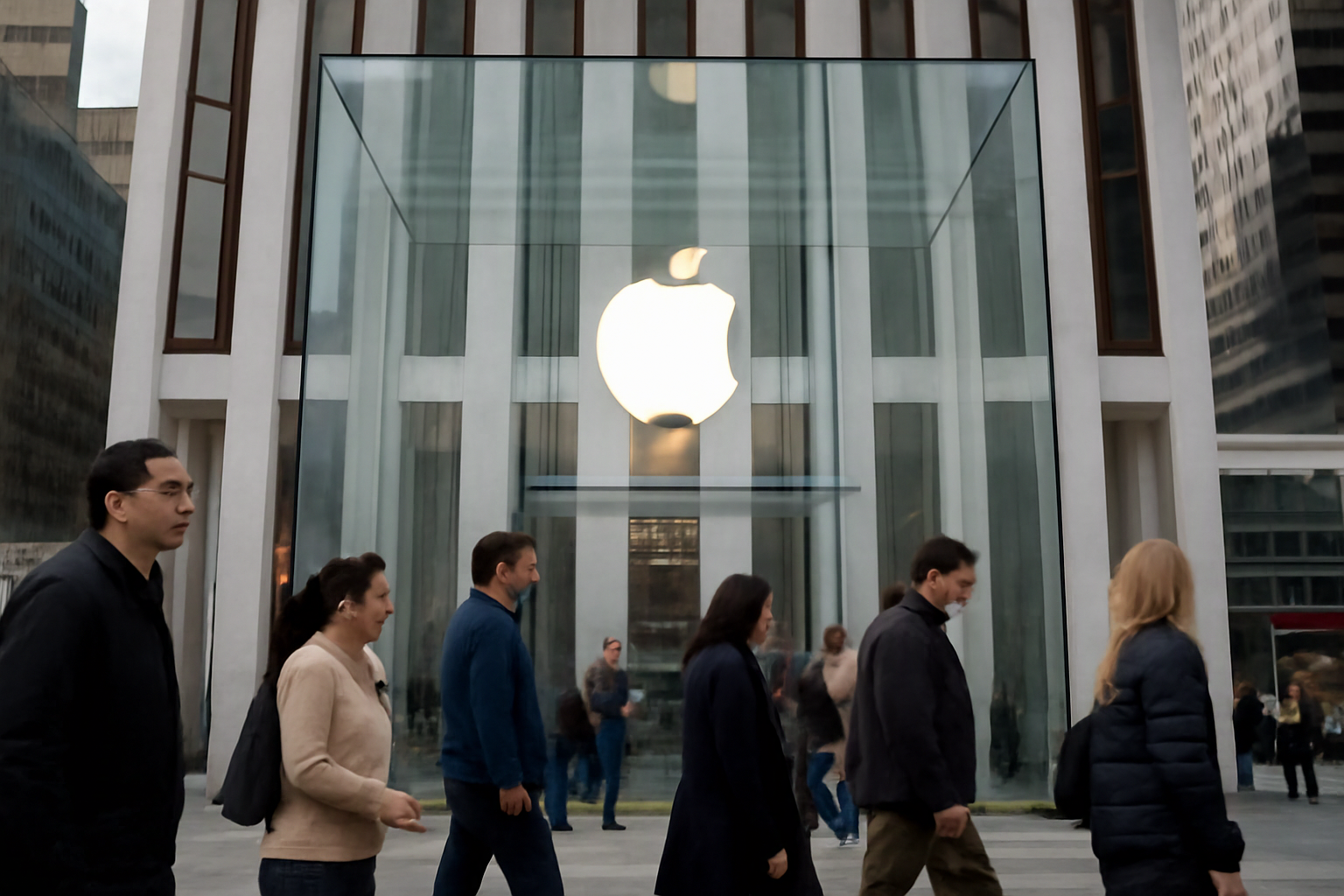
As the sun rose over New York City, a sense of anticipation filled the air among investors and analysts alike. Apple Inc., a titan of the technology sector, has announced its entry into the investment-grade bond market for the first time in over a year. This bold move comes at a time when major tech companies are seizing the opportunity to raise capital through debt issuance, reflecting a broader trend that speaks to the resilience and adaptability of the industry.
On [insert date], Apple revealed plans to sell high-grade debt, marking a significant moment in the financial landscape of the technology sector. This issuance is part of a larger trend, as tech giants have increasingly turned to the bond market to secure funding amidst fluctuating market conditions. Apple’s decision to enter the market is not merely a financial maneuver; it represents a strategic response to the evolving economic environment.
The company’s bond issuance is expected to attract substantial interest from investors, given Apple's strong credit rating and historical performance. Analysts predict that the offering could reach billions of dollars, positioning Apple to leverage favorable interest rates while bolstering its liquidity. This move underscores the company’s commitment to maintaining its robust financial health and investing in future growth opportunities.
In recent months, other technology firms have also tapped into the bond market, creating a competitive atmosphere. Companies like Microsoft and Amazon have previously issued bonds, and now Apple’s participation adds to the momentum. This wave of debt issuance illustrates the confidence that these companies have in their business models, as they seek to capitalize on low borrowing costs and favorable market conditions.
The announcement has elicited a mixed response from the investment community. Some investors view Apple’s move as a prudent strategy, especially in light of the current economic climate. “Apple has always been a leader in innovation, and this step solidifies its position in the market,” said [insert analyst name], a financial expert at [insert firm name]. “By raising capital now, they are ensuring they have the resources to continue their expansion and development efforts.”
However, others express caution, noting the potential risks associated with increased debt levels. “While it’s great to see companies like Apple taking advantage of low rates, one must consider the implications of higher leverage,” cautioned [insert another analyst name], a market strategist at [insert firm name]. “Sustaining growth is crucial, but it must be balanced with prudent financial management.”
This debt issuance by Apple also has implications beyond the company itself. It reflects the broader health of the technology sector and the willingness of investors to support established firms. As more tech companies enter the bond market, it can lead to increased competition for capital, potentially affecting interest rates and the availability of funds for smaller firms.
Moreover, the funds raised through this bond sale are likely to be earmarked for various initiatives, including research and development, acquisitions, and infrastructure improvements. This could have a ripple effect throughout the economy, as investments in technology often lead to job creation and innovation.
In New York City, where Apple has a significant presence with its flagship stores and corporate offices, the local economy could see tangible benefits from this move. The tech sector is a major driver of employment in the city, and Apple's commitment to investing in growth could support thousands of jobs across various sectors, from retail to engineering. Local businesses that supply goods and services to Apple may also experience a boost as the company expands its operations.
Local business owners are particularly optimistic about the potential benefits of Apple’s bond issuance. “As a small supplier to Apple, we’ve seen firsthand how their investments can lead to increased demand for our products,” said [insert local business owner name], who runs a tech accessory company in Manhattan. “If Apple is expanding, it means more opportunities for us to grow as well.”
Moreover, community leaders are keenly aware of the broader implications of Apple’s financial maneuvers. “Apple’s presence in New York City has transformed our tech landscape,” said [insert community leader name], a member of the local economic development council. “Their continued investment signals confidence in our city, and we hope it leads to more partnerships and opportunities for local startups.”
Apple's decision to enter the bond market is not just a reflection of its internal strategies but also a response to the larger economic landscape. With interest rates at historic lows, many companies are finding it advantageous to issue debt rather than equity, allowing them to finance growth while minimizing dilution of ownership. This trend is particularly relevant in the tech sector, where rapid innovation requires substantial capital investment.
Furthermore, the recent global economic uncertainty, coupled with supply chain disruptions, has prompted tech companies to build cash reserves. By issuing bonds, Apple not only secures immediate funding but also positions itself to navigate potential future challenges. This strategic foresight may be essential in maintaining its competitive edge as the market continues to evolve.
Looking ahead, Apple’s bond issuance is expected to pave the way for other companies in the technology sector to follow suit. As the market continues to evolve, investors will be watching closely to see how this trend develops. The success of Apple’s debt sale could set a precedent for future issuances, potentially influencing the strategies of both large and small companies alike.
Furthermore, as the Federal Reserve continues to navigate interest rate policies, the timing of Apple’s move could prove to be fortuitous. Should rates remain low, the company may find itself in a favorable position to secure additional funding in the future, further enhancing its capacity for growth and innovation.
In the broader context, this bond issuance could signal a shift in how tech companies approach funding in the coming years. With the rapid pace of technological advancement and the increasing need for capital to fuel innovation, companies may increasingly rely on the bond market as a viable alternative to traditional equity financing. This could democratize access to capital for smaller tech startups, allowing them to compete more effectively in a crowded marketplace.
In conclusion, Apple’s foray into the investment-grade bond market not only signifies a strategic financial decision but also reflects the broader dynamics within the technology sector. As the company prepares to capitalize on this opportunity, the implications for investors, the industry, and the economy at large are profound. The coming months will be crucial in determining how this bold step influences the trajectory of Apple and its peers as they navigate the complexities of a rapidly changing market.
By Marcus Chen

By Katherine Langford

By Katherine Langford

By Katherine Langford