
Technology
Tech stocks log worst day since 2020 as carnage comes to the AI trade
By Katherine Langford
Advertisement · Why this ad?
Katherine oversees editorial operations across all six brands. Before joining The Meridan Group, she spent 14 years at the Minneapolis Star Tribune, where she led the metro desk through its digital transformation. She holds a Master's in Journalism from Northwestern's Medill School.
More from Katherine →
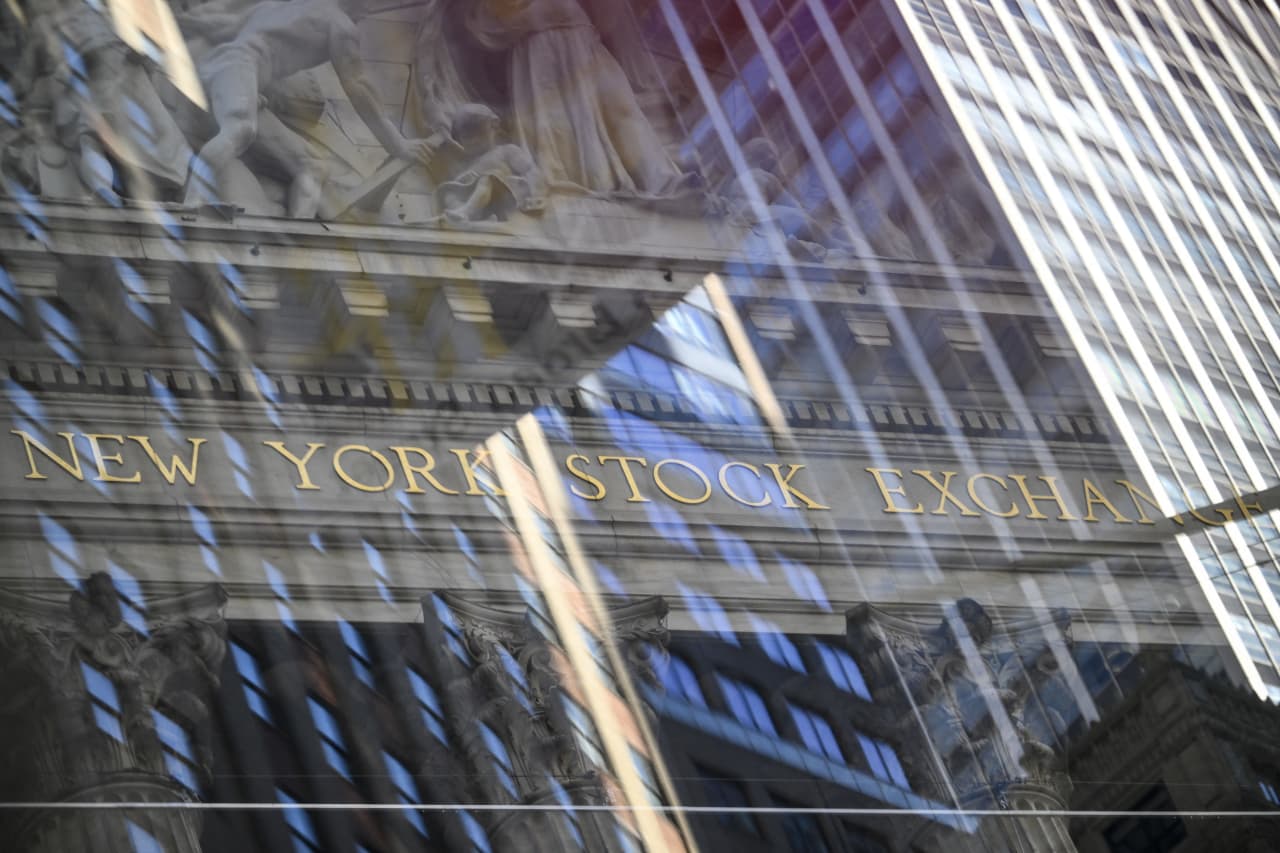
In the heart of Manhattan, where the pulse of Wall Street beats strongest, a seasoned trader pauses before her screen. Her brow furrows as she scans the latest numbers, the weight of recent market turmoil pressing down. The tech sector, which has driven much of the recent volatility, faces a pivotal moment this Friday morning. The October jobs report, a key economic indicator, could either serve as a balm for anxious investors or deepen the wounds inflicted by weeks of sell-offs.
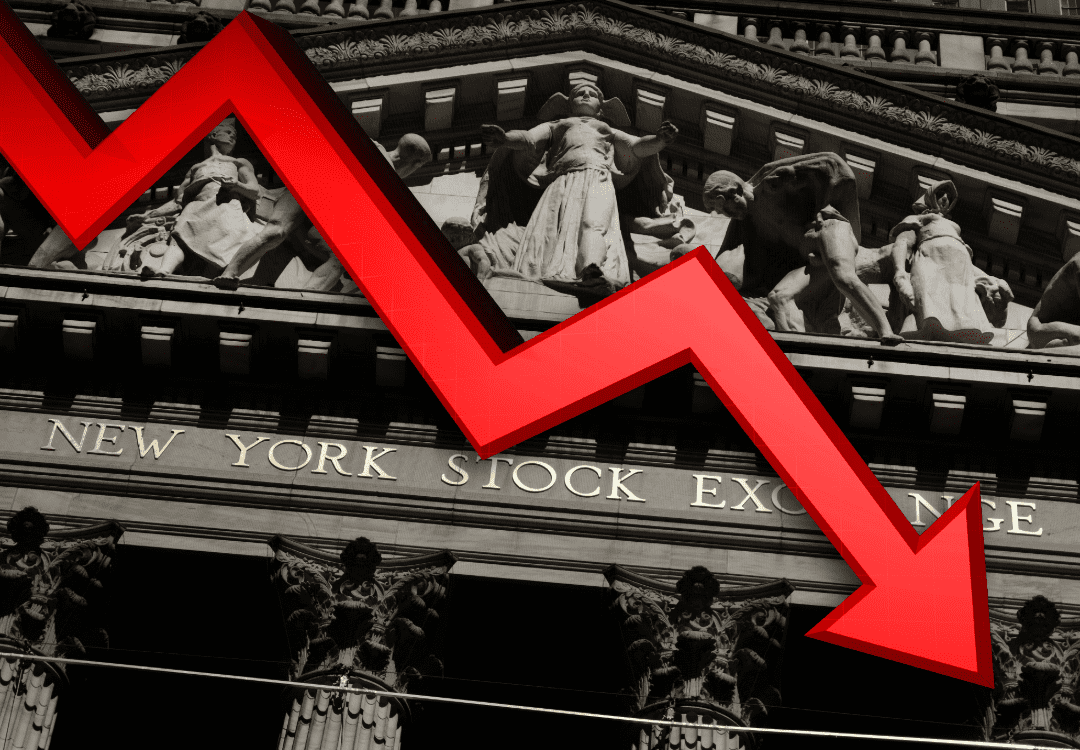
The recent decline in tech stocks has been drastic, wiping billions from the market value of giants like Apple, Microsoft, and Alphabet. Since early October, the NASDAQ Composite has shed nearly 15%, marking one of the steepest drops in recent memory. This downturn has been fueled by a combination of rising interest rates, inflation fears, and concerns over corporate earnings, especially in the technology sector that has historically been a driver of growth and innovation.
Investors are particularly sensitive to employment data, which influences Federal Reserve policy and, consequently, market stability. The upcoming October jobs report, scheduled for release early Friday, is expected to show a modest increase in employment—around 150,000 jobs added—according to economists. However, some analysts warn that a weaker-than-expected number could trigger further declines, as traders interpret it as a sign of economic slowdown or a potential recession.
Beyond the headline figure, market watchers will scrutinize the unemployment rate, wage growth, and labor force participation. A rise in unemployment or stagnant wages could signal softening economic momentum, which might ease inflationary pressures but also raise fears of a slowdown. Conversely, strong job growth with rising wages could reinforce the Fed’s current stance of tightening monetary policy, possibly prolonging the market’s pain.
Within the financial community, opinions are divided. Some see the recent downturn as a necessary correction after years of unprecedented growth. “Markets often overheat, and a correction can be healthy in the long run,” says David Chen, a senior analyst at the New York Investment Group. Others remain cautious, warning that the tech sector’s decline could spill over into broader markets, affecting retirement portfolios, small businesses, and everyday investors.
Local financial advisors in New York emphasize the importance of resilience and long-term planning. “This is a reminder that market fluctuations are part of investing,” notes Sarah Martinez, a certified financial planner. “Families with stable incomes and strong marriages are better positioned to weather these storms. It’s crucial to focus on fundamentals, not fleeting market sentiment.”
Behind every headline are real people—workers, families, small business owners—whose lives are directly affected by these economic shifts. In Queens, Maria Lopez, a tech worker laid off during the recent downturn, shares her story of hope and hardship. “It’s been tough, but I believe in my skills and my faith. My family’s stability is rooted in staying committed to each other and trusting that better days are ahead,” she says.
Maria’s story isn’t unique. Across New York City, thousands of workers in the tech sector and related industries have faced layoffs, reduced hours, or job insecurity. The city, known for its resilience and diversity, has historically rebounded from economic downturns, but the current situation underscores the need for community support systems, retraining programs, and local economic initiatives.
New York City’s economy has always been intertwined with its financial sector, but it’s also a hub for technology startups, creative industries, and small businesses that serve a diverse population. The recent tech sell-off echoes past crises, such as the dot-com bust in the early 2000s, which prompted a city-wide reflection on diversification and resilience. Today, local policymakers and business leaders are paying close attention to how these shifts affect not just Wall Street but the everyday lives of New Yorkers.
For instance, Brooklyn-based startup founder Lisa Nguyen, who develops software for educational tools, notes that her company has seen a slowdown in funding. “We’re adapting by focusing on sustainable growth and exploring new markets,” she explains. Nguyen’s experience highlights the importance of local innovation ecosystems and how they can buffer against national market swings.
Moreover, the city’s unemployment rate, which historically hovers around 4-5%, could see fluctuations depending on how the jobs report turns out. Community organizations, like the New York City Employment Services and local chambers of commerce, are mobilizing to assist displaced workers through job fairs, retraining programs, and mental health support.
This economic turbulence isn’t just about numbers; it’s about real community impacts. Families in Queens, the Bronx, and Staten Island rely on steady employment to afford rent, healthcare, and education. Small business owners, from neighborhood cafes to retail shops, face uncertain revenues, risking closures that could alter the fabric of local neighborhoods.
In particular, immigrant communities, which make up a significant portion of New York City’s workforce, are often disproportionately affected by layoffs and economic downturns. Organizations like the New York Immigration Coalition are working to ensure that these communities have access to resources and support during these challenging times.
Furthermore, the upcoming holiday season, traditionally a busy time for retail and hospitality sectors, could be impacted if economic uncertainty persists. Local employers are already strategizing to retain staff and keep their doors open amid the volatility.
As the nation awaits the October jobs report, the broader question remains: will this data provide clarity or deepen uncertainty? Economists predict that a stable or slightly better-than-expected report could boost market confidence, encouraging investors to hold or buy. Conversely, a disappointing number might intensify the current sell-off, prompting further volatility in the coming weeks.
For New York’s families and businesses, this moment underscores the importance of community, faith, and steadfastness. Strong marriages and resilient households are the backbone of a thriving city, especially during economic turbulence. Local leaders and faith-based organizations are stepping up, offering support and hope to those most affected by the financial upheaval.
City officials are also monitoring the situation closely. Mayor Eric Adams has emphasized the importance of economic diversification and social support programs to cushion the impact of market swings. Initiatives like expanded small business grants and workforce development programs are being prioritized to help stabilize the local economy.
Looking ahead, policymakers and market participants will be watching closely for signs of sustainable growth. The city’s economic recovery depends on balanced policies that promote job creation, support small businesses, and foster community stability. As always, the enduring strength of New York’s families and communities will be key to navigating whatever comes next.
In the meantime, community organizations continue to serve as vital anchors. Churches, nonprofits, and local civic groups are providing food, counseling, and job placement assistance to those most vulnerable. This collective effort underscores the resilience that defines New York City, even in uncertain times.
By Katherine Langford
By Katherine Langford

By Katherine Langford
By Katherine Langford